Hello musiclovers!!! In our time, music is no longer just a background element for brands or individuals. Instead, it becomes a shared experience. More importantly, it helps brands create cultural moments that people instantly connect with. That’s why these cultural moments go beyond advertising and turn into conversations, emotions, and memories. Now, let’s take a closer look at how brands use music to make this happen.
When Dunkin Found Its Beat
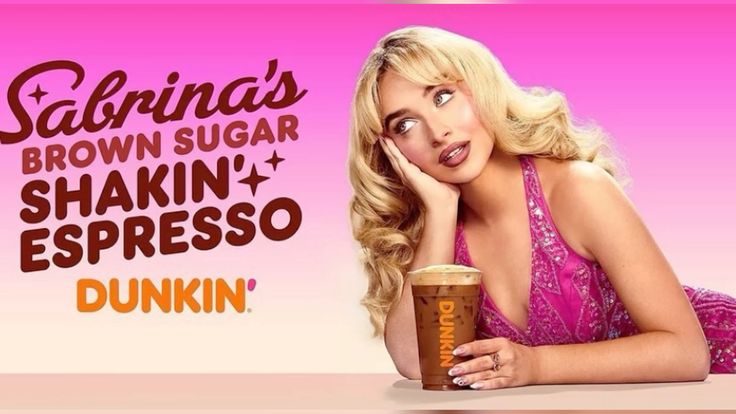
Dunkin’ did not just launch a new drink. Instead, it created a moment. At first glance, the campaign looks playful and energetic. But underneath, there is a smart use of music and movement. More importantly, Sabrina Carpenter’s presence brings instant familiarity. The rhythm, the dance, and the attitude feel natural. Nothing feels forced, because of this, the ad fits perfectly into social media culture. It invites people to watch, share, and even recreate it. And that's the magic, Dunkin’ shows us something simple yet powerful: When a brand finds its beat, people listen.
Turning Data into a Soundtrack
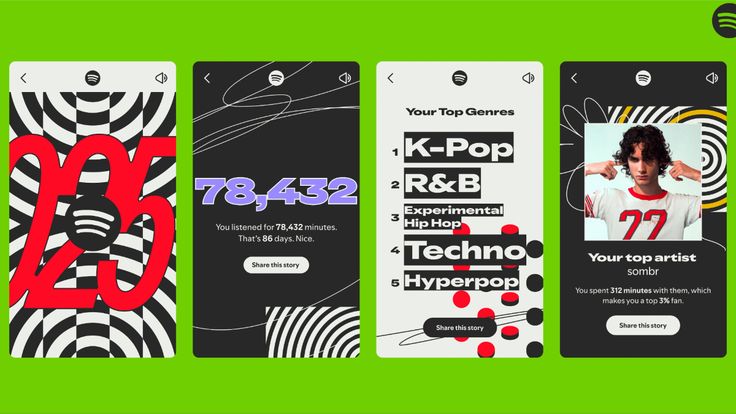
Spotify did not promote music in this campaign. Instead, people’s lives are through music. At first, it feels personal. Almost private. Your habits. Your moods. Your year. Then, it becomes shareable. Colors, phrases, and playlists turn data into emotion. More importantly, the campaign invites people to see themselves in sound. No two stories are the same. That’s exactly why it works. Because of this, users don’t just consume the content. They post it. They talk about it. They compare their soundtracks. What stands out most is this: Spotify does not market music here. It lets people market themselves.
Turning a Classic into a Statement
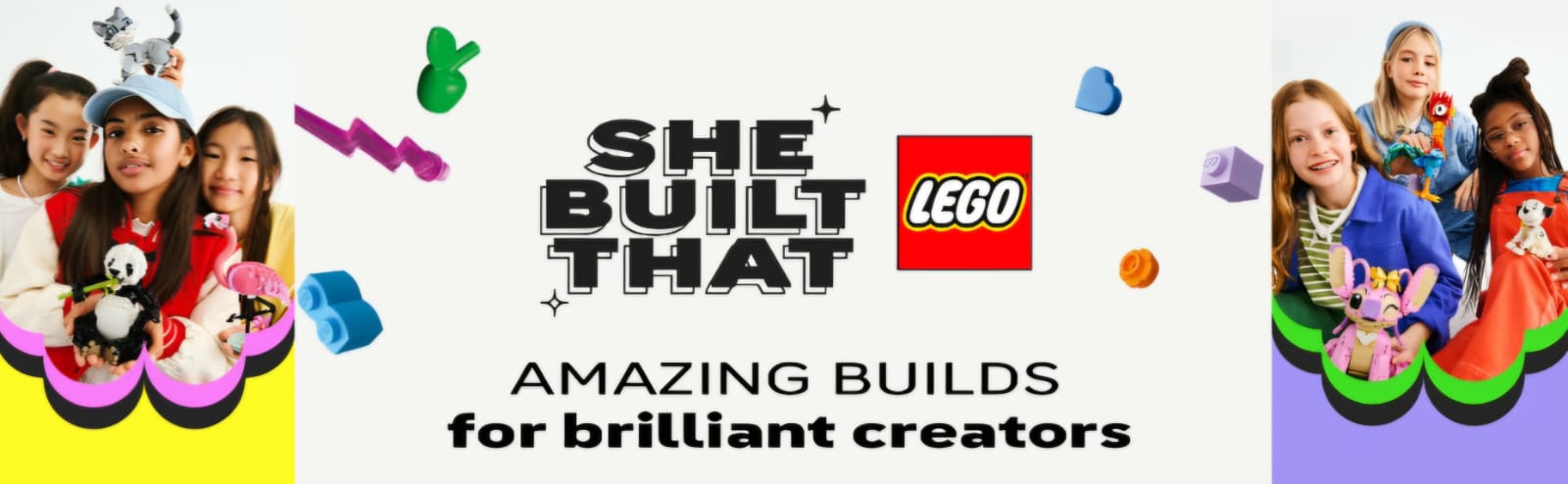
LEGO did not just showcase toys in this campaign. Instead, it challenged perceptions. At first, the message feels familiar. The building belongs to everyone. But then the music changes the tone. By reworking a classic hip-hop track, the campaign creates immediate impact. The sound feels bold. The message feels confident. More importantly, the focus shifts to girls as creators. Not observers. Not exceptions. Because of this, the campaign feels cultural, not commercial. It sparks conversation. It invites reflection.
When Sport Finds Its Sound
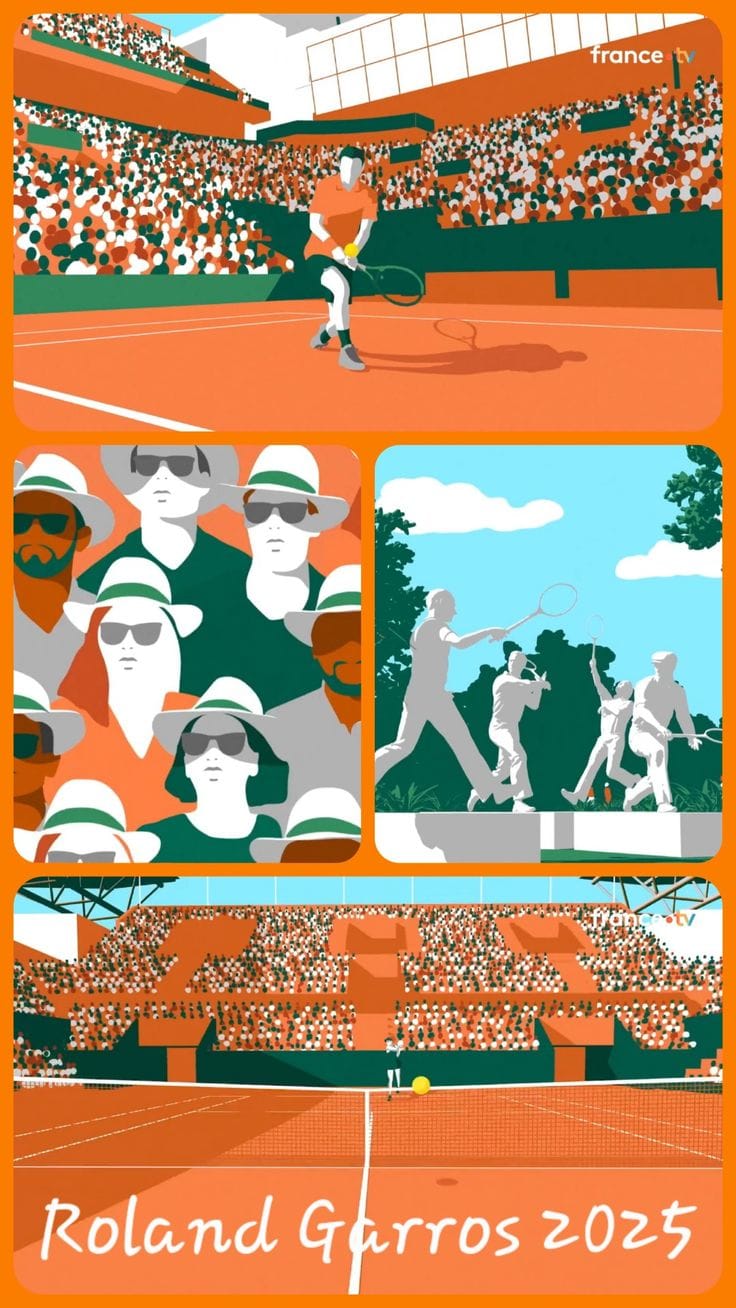
No cheering crowds. No dramatic slow motion. The film opens quietly. A breath. A step on clay. Music doesn’t rush in, ıt waits. As the melody grows, the story deepens. Every note mirrors discipline, patience, and years of repetition. This is not about the final point. It’s about everything that comes before it. The campaign chooses restraint over spectacle. Emotion over noise. That choice makes it powerful. Here, music doesn’t decorate the story. It is the story. And suddenly, Roland-Garros feels less like a tournamentand more like a shared state of mind.
The Sound of Real Moments
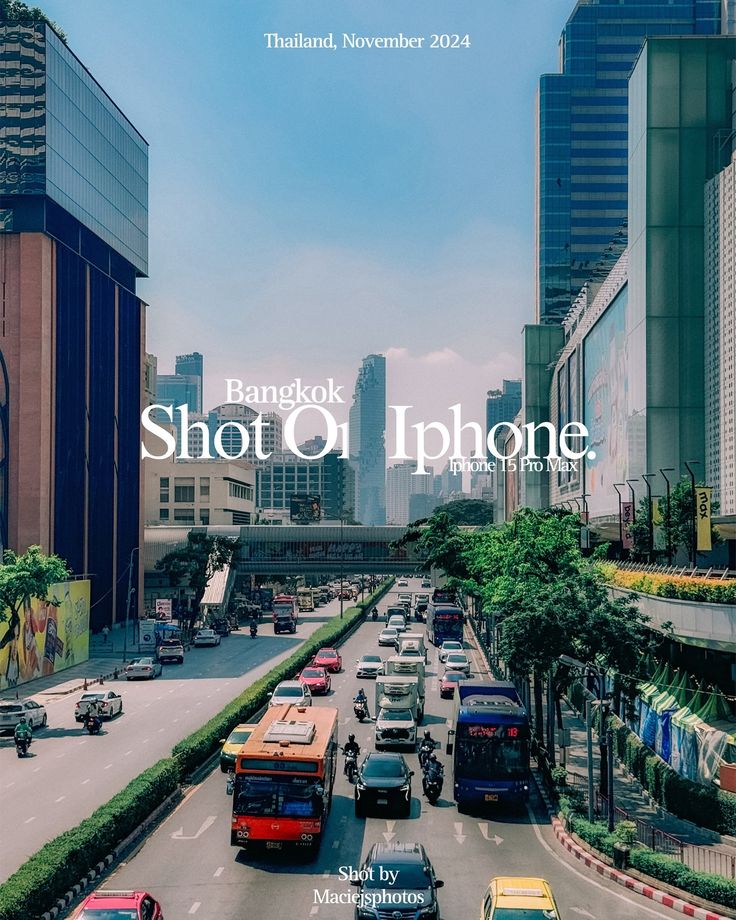
This campaign steps away from polished performances and focuses on real moments. Concerts, street music, and everyday listening scenes appear naturally. Music is not presented as something distant. It is part of daily life. By keeping the visuals honest and simple, the campaign feels authentic. Viewers don’t watch it as an ad. They recognize it as something familiar. This is what makes the campaign effective. Music becomes a shared experience, not a marketing message.
Final Thoughts
Across all these campaigns, one thing becomes clear: music is no longer just a supporting element in advertising. It shapes emotion, builds identity, and turns campaigns into shared experiences. When brands understand the power of sound, they don’t just get attention — they create moments people feel connected to. And in a world full of noise, it’s those meaningful moments that truly stay with us. Please share your ideas with us via email or Instagram.